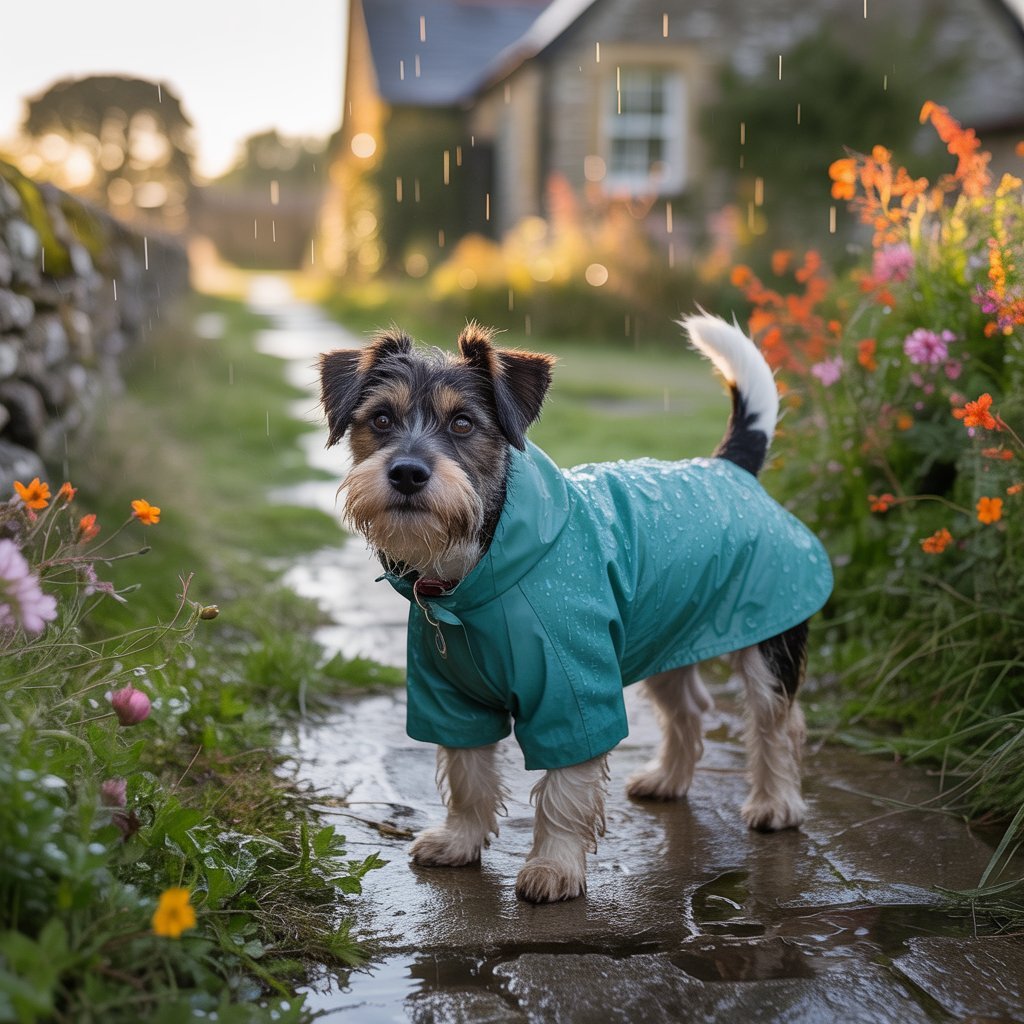
It was a Tuesday in May. Fifteen degrees, muggy, and raining the kind of rain that doesn’t quite commit to being proper rain. I stood at the back door with Poppy’s lead in one hand and her winter coat in the other, knowing full well that if I put her in it, she’d be panting within ten minutes. If I didn’t, she’d come home like a small, furry sponge.
If you’ve stood in that exact spot, wondering what on earth you’re meant to dress your dog in for a mild, drizzly British day, this post is for you. After far too many soggy walks and one genuinely awful coat that smelled of pond water within a fortnight, I’ve worked out what actually matters when you’re hunting for the best dog coats for warm wet British weather. Here’s the honest guide I wish I’d had three years ago.
Why Warm Wet Weather Needs Its Own Kind of Dog Coat
We tend to think about dog coats in two categories: winter and nothing. But anyone who’s walked a dog through a British spring or summer knows there’s a whole other weather bracket that gets completely ignored. Mild, damp, grey days where a fleece-lined coat is overkill but bare fur means a very wet dog and a very wet car boot.
The Overheating Problem Most People Don’t Think About
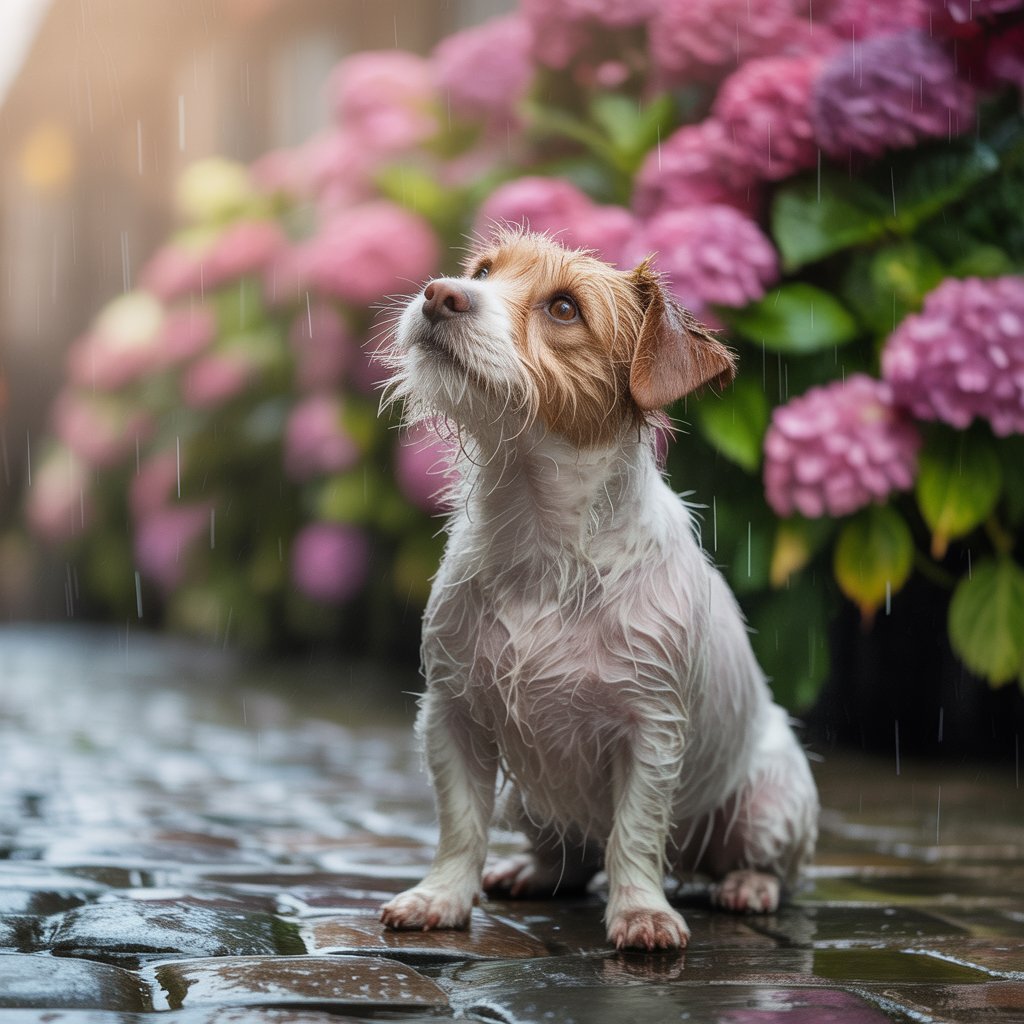
Dogs regulate their temperature differently to us. They can’t unzip a jacket if they’re warm, and they can’t tell you they’re uncomfortable. A padded winter coat on a 15-degree morning, even a damp one, can leave your dog panting, sluggish, and genuinely distressed. I learned this the hard way with Poppy on a muggy April walk in her good winter coat. She sat down on the pavement and refused to move. Fair enough, really.
Why “Water-Resistant” and “Waterproof” Are Not the Same Thing
This one catches out so many of us. Water-resistant means the fabric will handle a light shower for a short time. Waterproof means it’ll keep water out properly, usually measured by something called a hydrostatic head rating. For our reliably unreliable British weather, you want genuinely waterproof. Anything less, and you’re just delaying the inevitable soaking by about seven minutes.
The British Weather Factor
Our weather is its own special category. We get warm drizzle, horizontal rain, humid downpours, and that particular sort of misty wet that seeps through everything. A coat designed for a crisp American winter or a Scandinavian summer won’t necessarily cope with a damp Derbyshire morning. We need something breathable enough for mild temperatures, waterproof enough for real rain, and robust enough to handle being worn several times a week.
What to Look for in the Best Dog Coats for Warm Wet British Weather
This is the checklist I wish someone had handed me at the start. If you take nothing else from this post, take this.
Lightweight, Breathable Fabric
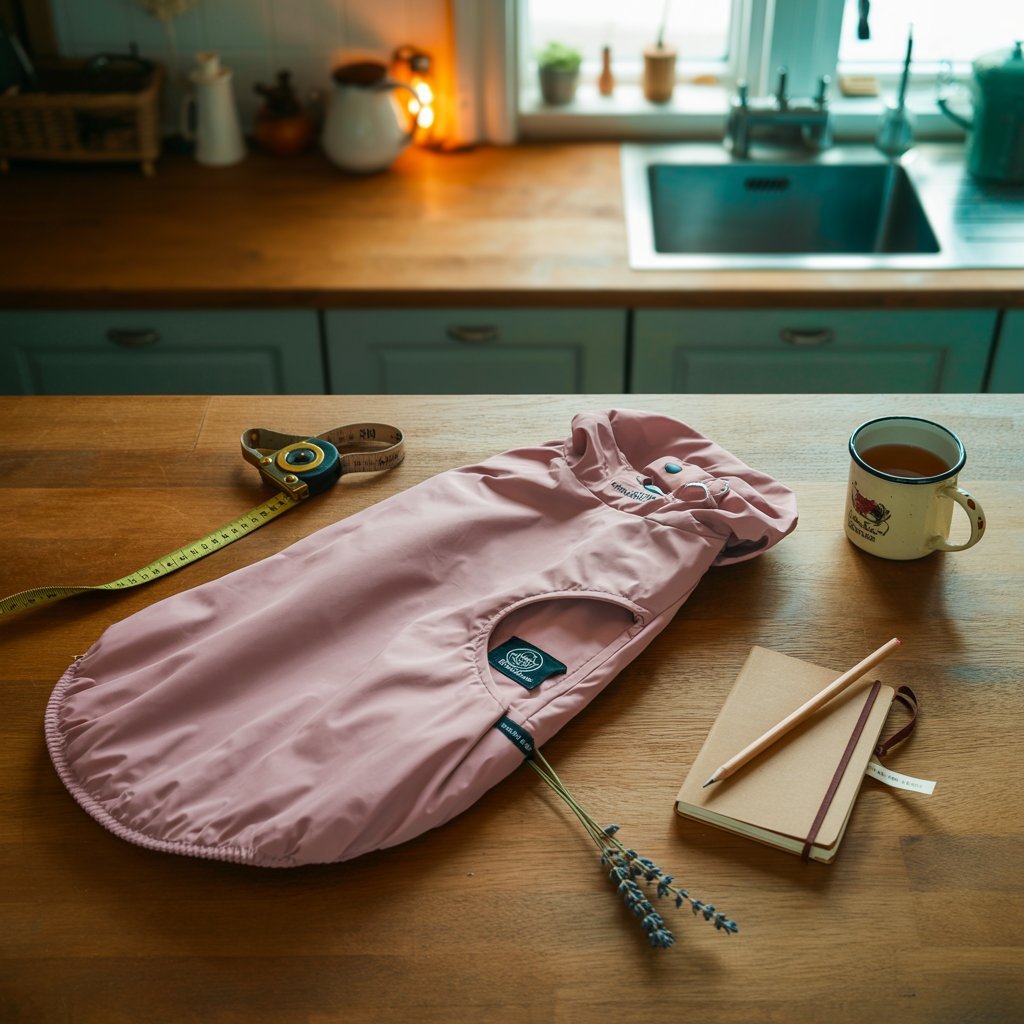
Look for ripstop nylon or a thin technical shell rather than anything padded or fleece-lined. You want the coat to act like a raincoat, not a duvet. A good warm-weather waterproof should feel barely there when you hold it up, because that’s exactly how it should feel on your dog.
Genuine Waterproofing
Check the product description for actual waterproof claims, not just “repels water”. The best ones will mention taped seams and a proper waterproof rating. Taped seams matter enormously because water loves to sneak in through stitching, and there’s nothing more disappointing than a smart-looking coat that lets rain in at the shoulders.
Belly Coverage Without the Bulk
For me, this is non-negotiable. A coat that only covers the back leaves the belly and underside exposed to every puddle and wet bit of grass, which rather defeats the point. Look for a design with a proper belly panel or an extended wrap that covers the tummy. Poppy’s current favourite has a soft belly strap that wraps round without feeling tight, and she comes home genuinely dry underneath.
Fuss-Free Fastenings
If you’ve got arthritic hands, cold fingers, or a wriggly dog, fiddly buckles are your enemy. I’m a huge fan of good quality magnetic fastenings and simple clip buckles. Velcro is fine until it isn’t; it clogs up with fur and loses its grip after a few washes. One-handed operation while you’re holding the lead is the gold standard.
Quick-Drying and Machine Washable
You’re going to wash this coat. A lot. A good warm-weather coat should go through a cool wash without losing its waterproofing and should dry overnight on a towel rail or low heat. Anything that needs special treatment or takes two days to dry simply isn’t going to get used as often as it should.
Reflective Detailing for Grey Days
British grey is its own particular shade, and it’s often paired with low light even at midday. Reflective piping or panels make a real difference on misty mornings and dusky evenings, especially if you walk near roads or on shared paths.
My Honest Round-Up of the Best Dog Coats for Warm Wet British Weather
A note before I dive in: I’ve tried to cover different budgets and body shapes, because what works for a leggy whippet won’t work for a barrel-chested staffie, and what suits a chihuahua in a handbag isn’t what a labrador needs trudging round a reservoir. Prices are approximate and change with the wind.
Best Budget Pick
For around £20 to £25, you can get a genuinely decent lightweight waterproof from high street pet shops. Look for ripstop fabric, a belly strap, and reflective trim. It won’t last as long as a premium coat, but it’ll do a proper job for a season or two. Ideal if you’re not sure how much your dog will tolerate wearing one.

Best All-Rounder for Everyday Walks
The mid-range options (roughly £40 to £60) are where you find the sweet spot. Proper taped seams, a decent hydrostatic rating, machine washable, and designed with British weather in mind. This is what I’d recommend for most dogs and most owners.
Best for Deep-Chested or Awkward-to-Fit Dogs
Deep-chested breeds like greyhounds, whippets, and some spaniels are notoriously tricky. Look for brands that specifically size by chest girth and back length separately, or offer a “narrow” or “deep-chested” cut. It’s worth paying a little more for a coat that actually fits rather than saving money on one that slips sideways with every step.
Best for Senior Dogs with Stiff Joints
Older dogs need coats that are easy to get on and off without twisting or lifting limbs. Magnetic closures are a gift here. A soft lining around the neck and leg openings also makes a real difference for dogs whose skin has got a bit more delicate with age.
Best for Style-Conscious Owners
There’s a lovely little corner of the market making waterproofs that look more like proper country wear. Waxed-effect finishes, heritage checks, tweedy colourways. They cost more, but if you’re walking through a picturesque village and want your dog to look the part, they do the job beautifully without sacrificing function.
Best for Tiny Terrors and Small Breeds
Small dogs feel the cold faster even in mild weather, so look for a lightweight shell with just a thin lining rather than something completely unlined. Poppy, being a terrier cross, falls into this category, and I’ve learned to size slightly generously for her little chest.
How to Get the Fit Right
Sizing is where most people come unstuck. I’ve returned more coats than I care to admit because the sizing charts bore no resemblance to reality.
The Three Measurements That Matter
You need back length (base of neck to base of tail), chest girth (the widest part, just behind the front legs), and neck circumference. Write these down and keep them in your phone. Do not guess based on weight. Two 10-kilo dogs can be completely different shapes, as anyone with a chunky jack russell and a sleek miniature poodle will tell you.
Common Fit Problems and How to Spot Them
If the coat rides up when your dog walks, it’s too short in the back. If you can’t fit two fingers comfortably under the belly strap, it’s too tight. If the neck opening gapes when your dog looks down, rain will pour straight in. A well-fitting coat moves with your dog, not against them.
Caring for Your Dog’s Warm-Weather Coat So It Lasts
A bit of care makes a real difference to how long your coat lasts and how well it keeps working.
Washing Without Wrecking the Waterproofing
We wash with nikwax. If it works for our coats, it will work for Poppy’s! Whatever you wash with, no fabric softener. Softener is the enemy of waterproofing because it coats the fabric in a residue that stops water rolling off.
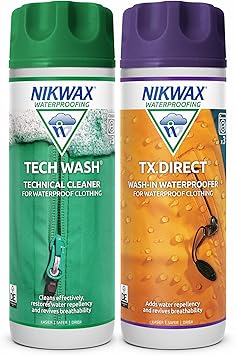
I wash Poppy’s coat every few walks, more often if she’s rolled in something questionable. Speaking of which, if you’re dealing with a properly filthy dog, my guide to bathing a dog at home covers how to keep them (and their coat) fresh between walks.
Drying Between Walks
Never put a waterproof coat on a radiator. The direct heat damages the waterproof membrane and shortens the coat’s life considerably. Hang it over a towel rail, a clothes airer, or a hook by the back door. Most good coats will be dry by morning.
When to Reproof and When to Replace
If water stops beading on the surface and starts soaking in, it’s time to reproof. A simple wash-in waterproofing treatment will restore most coats for a fair while longer. When the fabric itself starts to tear, or the seams begin leaking despite reproofing, it’s time for a new one.
What to Do When It’s Too Warm for a Coat at All
There will be days when even the lightest waterproof is too much. High humidity, real summer warmth, or an older dog who’s already struggling with the heat. On those days, the kindest thing is no coat at all and a shorter walk at a cooler time. If it’s properly sticky, I’ll often skip the walk entirely and do enrichment indoors instead. My post on summer activities for dogs at home is full of ideas for those “too hot to walk” afternoons that keep creeping into the British summer now.
Bringing It All Together
Finding the best dog coats for warm wet British weather isn’t about the most expensive option or the prettiest one. It’s about a coat that’s light enough not to overheat your dog, waterproof enough to genuinely keep them dry, and comfortable enough that they’re happy to wear it. Get those three things right, and the rest is detail.

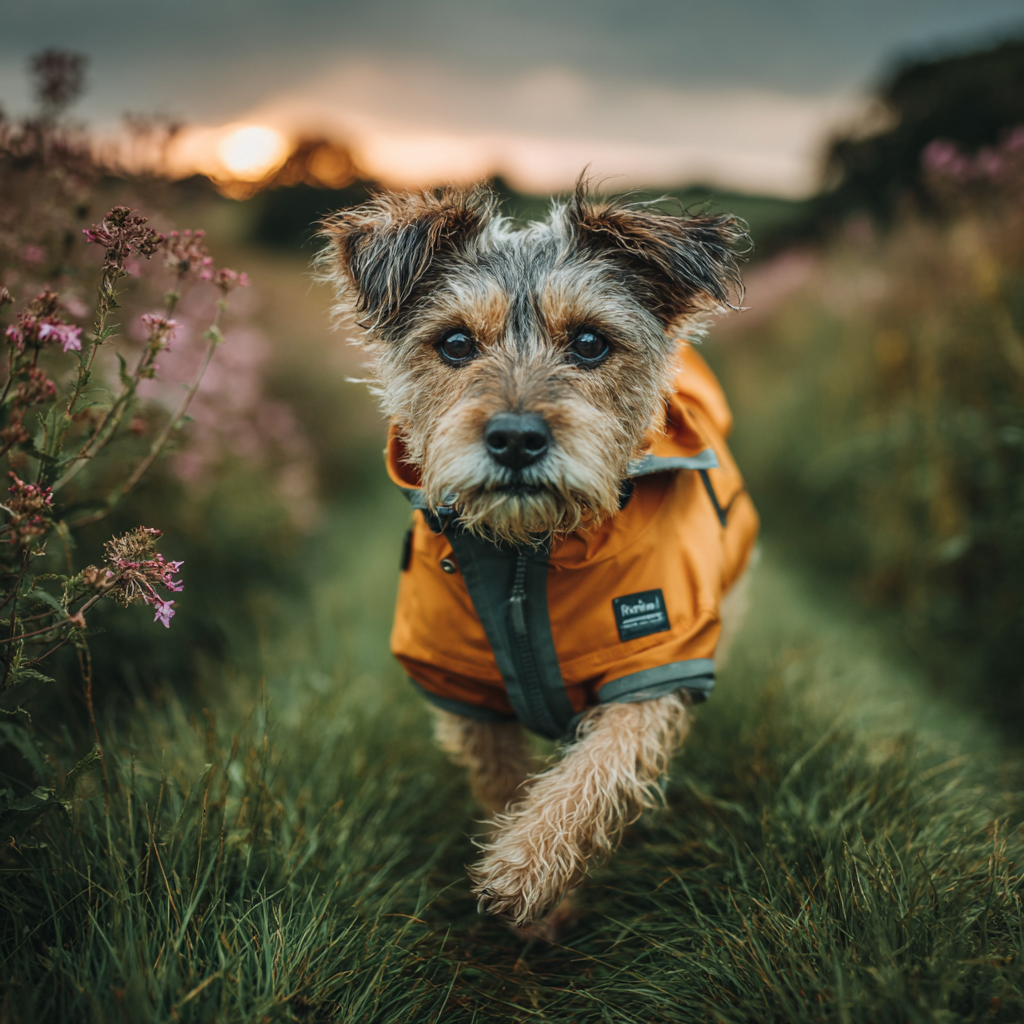
Poppy’s current favourite, for what it’s worth, is a mid-range bright orange coat. She doesn’t love wearing it, because she’s a terrier and terriers don’t love anything that isn’t their own idea. But she tolerates it, she comes home dry, and that, for me, is the whole point.
What’s your go-to coat for those awkward in-between British days? I’d love to hear what’s worked for you and your dog in the comments.